
The CDC has issued guidelines for people they recognize as being higher-risk patients if infected with COVID-19. At a time where we have seen so many of these at-risk patients die from this disease, we all need to be aware of what attributes make you more at-risk and how to reduce your exposure if you are.
The CDC holds that the > 65 age group is the most at-risk when compared to any other age group. The recent spike in deaths related to COVID-19 are still affecting the >65 group at a higher rate – with increased hospitalizations and deaths. Remember, the under 65 age groups are becoming infected but are not dying or being hospitalized at the rate of the >65 group – the 65 and older groups account for over 80% of deaths while the under 55 groups account for a combined 7% of deaths.
The CDC also points to certain preexisting medical conditions that might expose people to a greater risk of death or infection regardless of age group – perhaps leading the cause of death in the 55-64 group, as they account for 13% of overall COVID-19-related deaths.
The CDC recommends a number of ways to protect yourself; below is their short video.
Nevertheless, the CDC advises these at-risk groups to wear cloth face masks or coverings, and to avoid wearing a surgical mask or N95 respirator as these should be reserved for medical personnel. But a well-reasoned report from University of Illinois at Chicago professors, Dr. Brosseau and Dr. Sietsema, both experts on respiratory protection, point out that cloth masks or face coverings will not adequately protect either the person wearing the covering or the people they come in contact with from spreading or contracting COVID-19. Furthermore, surgical masks were shown to have only limited effect in controlling the exhaling of small particles from the person wearing the mask and show almost no effectiveness in preventing the inhalation of small particles. Even N95 respirators are only effective at preventing particles from being inhaled but are not recommended as protection from exhaling the virus. The authors note that wearing masks provide a false sense of security, leading people to take greater risks than they otherwise should.
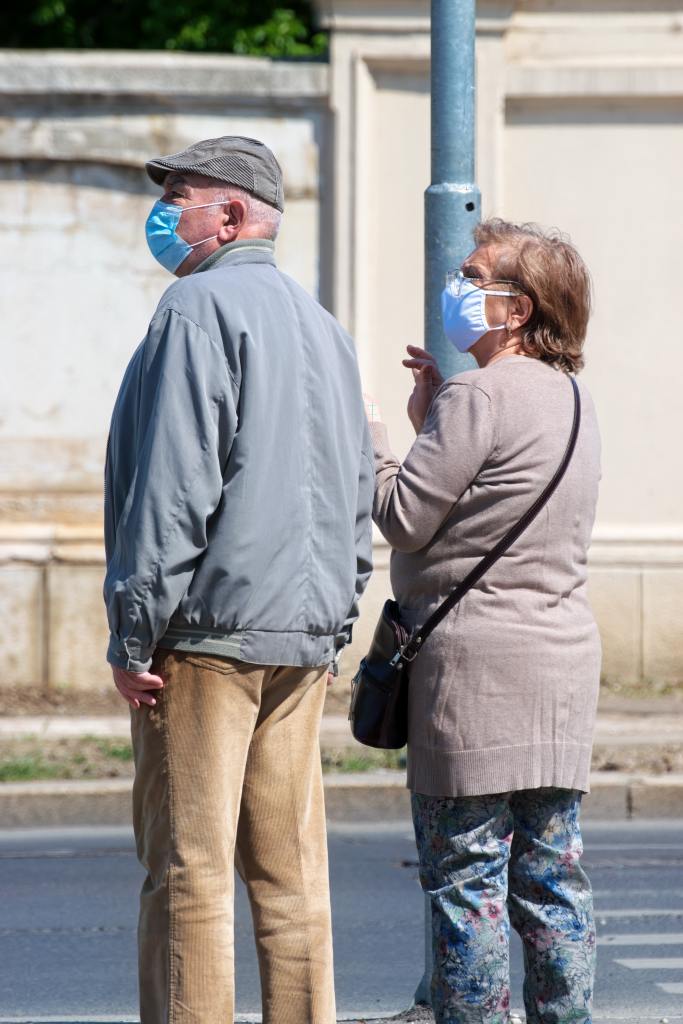
The data reveals that the CDC’s guidance to wear cloth masks is reckless, and that even wearing surgical masks place the most vulnerable at a greater risk of infection and death if they rely on them instead of distancing, etc. Furthermore, governors’ mandates only serve to perpetuate this false sense of security as people tend to think they are safer if others are wearing masks as well. The at-risk groups should maintain distance and other precautions until their medical advisor states otherwise.
Perspective: When the CDC advises you to save the better masks for medical professionals, ask yourself where that leaves you – because what you hold in your hand is inferior protection against COVID-19. False security is working against us; and misleading recommendations and mandates are endangering the most vulnerable.
James M. Spillers
 USA Perspectives